After the Books Are Done, the Opportunities Are Gone: Questions Worth Asking Your Accountant Before Year-End
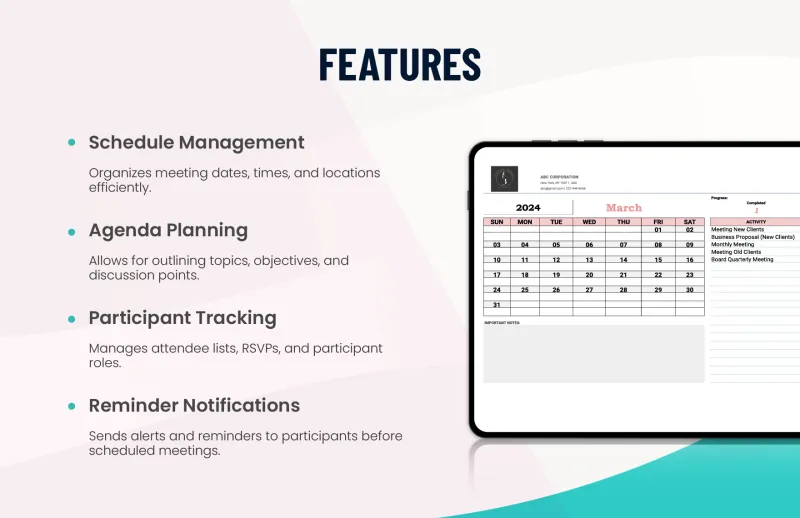
Photo: business meeting accountant planning documents calendar UK office, via images.template.net
There is a familiar rhythm to the accountancy year. The books close, the figures are finalised, and the client arrives — often for the first time since last year — to be told what they owe. Sometimes the news is a pleasant surprise. Frequently it is not. And almost always, by that point, there is nothing left to do about it.
We will be blunt: most meaningful tax planning has an expiry date. Allowances, reliefs and elections generally attach to a specific accounting period, and once that period has ended, the opportunity has closed with it. An accountant reviewing completed accounts is, in large part, an accountant describing the past. Dependable advice is prospective. It requires a conversation before the deadline, not a summary after it.
With that in mind, here are seven questions worth raising with your adviser before your year-end — or before 5 April, if you are planning personally.
1. Should I be topping up my pension before the deadline?
Pension contributions remain one of the most straightforward ways to reduce a personal tax bill, but the relief depends on when the contribution is made and, for higher-rate taxpayers, how it is claimed. A contribution in May for the tax year just ended is often too late to help in the way the client intended. Ask in February, not in July.
2. Have I claimed everything I can on equipment and vehicles?
Capital allowances reward investment, but timing matters. Whether full expensing, the annual investment allowance or the allowances available on cars applies can depend on when an asset was purchased and when it was brought into use. A van bought in the final week of the accounting period can sit very differently, tax-wise, from the same van bought a fortnight later. If a significant purchase is on the horizon, discuss the timing before committing.
3. When should I take my next dividend?
For company owners drawing income through a mix of salary and dividends, the timing of dividends within the tax year affects personal allowances, dividend allowances and higher-rate thresholds. A dividend declared in March versus April can shift a taxpayer between bands. This is a conversation for the payroll calendar, not the year-end file.
4. Is my salary and dividend balance still the right split?
Closely related, but worth asking separately. The optimal mix changes with NI thresholds, the employment allowance, and the director's own circumstances. What was efficient three years ago may be quietly costing money today. Review it annually — ideally before the new tax year begins.
5. Am I on track with my payments on account?
Self Assessment payments on account catch out the unprepared. If your income has jumped, the January payment can be uncomfortably large — and if your income has fallen, you may be entitled to reduce the payments but need to make the claim carefully. Either way, the conversation belongs in the autumn, not the week before 31 January.
6. Are there losses or reliefs I should be using before the period closes?
Loss relief elections, certain capital reliefs and various business deductions carry deadlines tied to the accounting period or the tax year. Some are flexible; several are not. A pre-year-end review is the only reliable way to know which apply to you.
7. What changed this year that I might not know about?
This is the question clients most often forget to ask. Thresholds move. Reliefs appear and disappear. The rules that applied to your last set of accounts may not apply to your next. A good accountant will volunteer this information; a good client asks anyway.
The Underlying Point
None of these questions requires encyclopaedic tax knowledge. They require only a habit: treating your accountant as part of the planning process rather than the reporting one. Book a short meeting two or three months before your year-end. Bring your draft numbers and your intentions — the planned van, the hoped-for dividend, the possible pension top-up. That single meeting typically pays for itself many times over.
Hindsight is a poor substitute for foresight, particularly when the taxman is involved.