From Shoebox to Software: A Gentle Roadmap for Getting Your Books Digitally Sorted
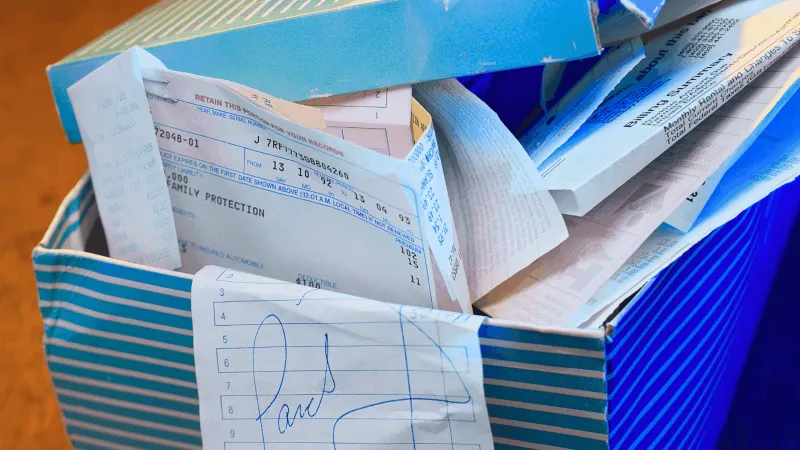
Photo: receipts shoebox paperwork small business desk, via dntw.com
There is a particular kind of dread that sets in around 20 January each year, when the Self Assessment deadline looms and the folder marked 'receipts' turns out to be a carrier bag. If this sounds familiar, take comfort: you are not alone, and you are not beyond help. Digital bookkeeping is not the preserve of the spreadsheet-fluent. It is a habit, and habits can be built — gently, and without shame.
Why the Drawer Stops Working
Paper receipts fade. The thermal kind, common from card terminals and petrol stations, can become blank within a year or two. Photographs on your phone are better, but they lack the detail HMRC may ask for — the VAT breakdown, the supplier, the business purpose. And a notebook, however faithfully kept, cannot tell you whether you have already recorded an expense.
The practical case for going digital is simple: it reduces the year-end scramble, gives you a live picture of your cash position, and makes it far easier to hand clean records to an accountant — which usually means a smoother, cheaper job.
Step One: Choose Software You Will Actually Use
The market is crowded — FreeAgent, Xero, QuickBooks, and several free options aimed at sole traders and small landlords. Resist the temptation to pick the most powerful package. Pick the simplest one that meets your needs.
Consider:
- Bank feeds. Does it connect to your business bank so transactions arrive automatically?
- Receipt capture. Can you photograph a receipt on your phone and attach it to a transaction?
- Your accountant's preference. If you work with a firm, software they know well will save time and fees.
- Price. Many providers offer free tiers for very small businesses; others charge monthly from around £10–£30.
Most offer free trials. Use one properly — put a real month of transactions through it before you commit.
Step Two: Triage the Backlog, Don't Worship It
The old receipts are the emotional hurdle, but they matter less than you think. Here is a realistic approach:
- Draw a line in the sand. Choose a date — ideally the start of your current accounting period. Everything from that date goes into the new system.
- Process the recent past in batches. For the last three to six months, sort receipts into a single box and work through them in 30-minute sittings, perhaps with the radio on. Bank statements will fill many of the gaps.
- Let go of ancient history. For periods already submitted to HMRC, you generally do not need to re-enter everything. Keep the paper in a box for the statutory retention period and move on.
Perfection is the enemy here. A record that is 90% complete and actually exists beats a perfect one you never finish.
Step Three: Build Habits That Survive a Busy Week
The systems that stick share one trait: they attach bookkeeping to something you already do.
- The five-minute Friday. Once a week, open the app, match receipts to transactions, and flag anything unclear. Five minutes, ideally with a cup of tea.
- Photograph at the till. Snap the receipt before it enters your pocket. The paper copy is now a backup, not the master.
- Separate the money. If you have not already, open a dedicated business bank account. Every transaction in that account is presumptively business-related, which halves the guesswork.
- Set a quarterly review. Put a recurring reminder in your calendar to reconcile and check nothing is drifting. If you would rather not do this yourself, a bookkeeper can take it on for a modest fee.
What If You Fall Behind Again?
You will, occasionally. That is normal. The advantage of digital records is that recovery is measured in hours, not weekends: bank feeds rebuild the transaction list, and you simply match the receipts you have. The drawer, by contrast, punishes every lapse.
A Final Word
Going digital is not about becoming a different sort of person. It is about giving your future self — the one facing the January deadline — a far easier job. Start small, choose simple tools, and be patient with yourself. And if you would like a hand choosing software or clearing a stubborn backlog, that is precisely the sort of unglamorous work we are happy to do.