Making Tax Digital for Income Tax: A Plain-English Timeline for Sole Traders
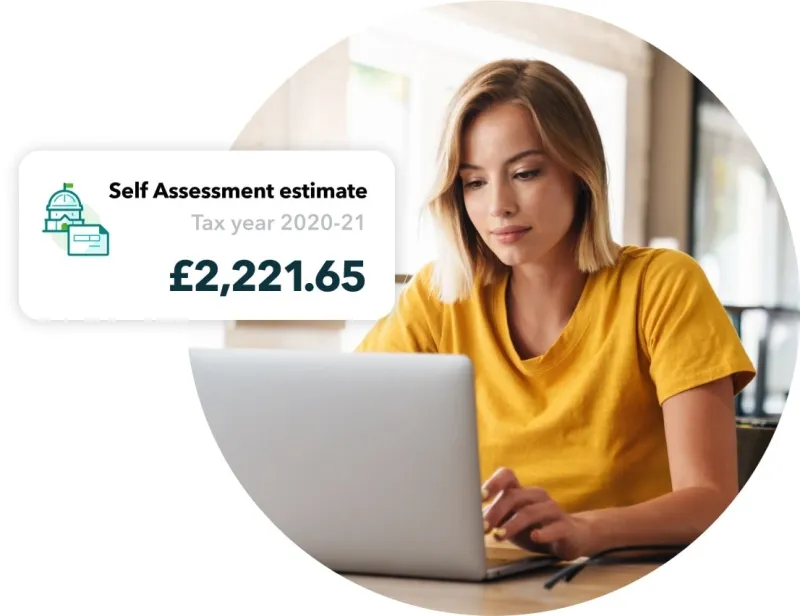
Photo: self-employed person laptop accounting software home office UK, via quickbooks.intuit.com
Among the changes heading towards the self-employed, few have flown under the radar quite like Making Tax Digital for Income Tax — known in the trade as MTD ITSA. Many of the sole traders we speak to have heard the phrase but assume it applies only to VAT-registered companies. It does not. If you file a Self Assessment return because you are self-employed or a landlord, there is a reasonable chance it will apply to you within the next few years.
What MTD for Income Tax Actually Changes
Today, most sole traders keep records however they choose and send one Self Assessment return each year. Under MTD ITSA, two things change:
- Digital records become mandatory. You must keep your business and property income records in MTD-compatible software (or use an approved bridge between your records and HMRC's systems).
- You report more often. Instead of a single annual return, you submit quarterly updates to HMRC through the software, followed by a final 'end of period statement' that confirms the year's figures and claims your allowances and reliefs.
The tax itself does not fundamentally change. What changes is the rhythm of record-keeping and reporting — and the fact that it becomes compulsory rather than optional.
The Timeline, In Plain Terms
The rollout is phased by income, measured by your qualifying income (broadly, combined self-employment and property income):
- April 2026: Mandatory for sole traders and landlords with qualifying income over £50,000.
- April 2027: The threshold drops to those with qualifying income over £30,000.
- April 2028 (expected): A further phase is planned for those over £20,000, subject to legislation.
Some groups are excluded or deferred — for example, certain trusts, those under the threshold, and individuals with specific circumstances such as some foster carers and ministers of religion may be able to remain outside. HMRC also runs a voluntary sign-up, and joining early can suit organised businesses that want to spread their reporting load.
Common Misconceptions Worth Clearing Up
"I'll have to pay tax four times a year." Not quite. You submit quarterly updates, but the payment schedule largely follows the existing pattern under the current rules — though in-year estimates may make budgeting easier, and HMRC has consulted on aligning payment dates in future.
"My spreadsheet is fine." A plain spreadsheet will not, on its own, satisfy the digital links requirement. You will need compatible software or an approved add-on that connects your spreadsheet to HMRC.
"It doesn't apply to me yet." Perhaps not — but the thresholds are stepping down. A sole trader earning £35,000 today is untouched in 2026 and firmly in scope by 2027.
"I can ignore it until the deadline." Technically yes, but the transition is far smoother for those who have already adopted digital records. The businesses that struggle are the ones attempting a full migration six weeks before their first quarterly deadline.
What Sensible Preparation Looks Like
You do not need to do anything dramatic. Three steps will put you ahead of most:
- Check your likely band. Look at your last two years of turnover from self-employment and property. If you are within reach of a threshold, assume you will be caught and plan accordingly.
- Adopt compatible software early. Moving to digital bookkeeping now means your first MTD quarter is routine rather than a crisis. Many packages are already MTD-ready.
- Tidy your habits. Quarterly reporting rewards businesses that reconcile little and often. If your records currently come together once a year, this is the nudge to change that.
A Calm Word from Your Local Accountant
MTD ITSA is manageable — genuinely — but it rewards preparation and punishes procrastination. At Pomfrey Accountants, we are already helping sole traders and landlords assess their timelines, choose software, and build quarterly reporting into their routine without fuss. If you would like a straightforward conversation about where you stand, do get in touch. The change is coming; the scramble beforehand is entirely optional.