The Brown Envelope: A Calm Guide to HMRC Compliance Checks

Photo: CEphoto, Uwe Aranas, CC BY-SA 3.0, via Wikimedia Commons
Few things concentrate the mind like a letter bearing the crest of HM Revenue & Customs. For many taxpayers, the immediate assumption is that something has gone badly wrong. In reality, most compliance checks are routine, most end without penalty, and the single biggest factor in a smooth outcome is how you respond in the first few weeks.
This guide explains what a compliance check actually is, why you might be selected, and what to do — and avoid — if one arrives.
Why HMRC Opens Enquiries
HMRC does not have the resources to check every return in detail. Instead, it uses risk-based selection: computer systems flag returns that sit outside expected patterns, and officials follow up on specific leads. Common triggers include:
- Figures that differ markedly from previous years without obvious explanation
- Expense claims that look large relative to declared income
- Late filings or a history of errors
- Information received from third parties, including data-matching exercises
- Simply being selected at random
That last point matters. Random selection genuinely happens, and being chosen is not an accusation. Roughly a small percentage of Self Assessment returns are opened each year, and many conclude with the return accepted as filed.
What the Letter Looks Like
A compliance check typically begins with a formal notice — often headed 'Compliance checks: your rights' or a letter under Section 9A of the Taxes Management Act 1970 for Self Assessment enquiries. It will:
- Identify the tax year or return under review
- State whether the check covers the whole return or specific entries
- Name a case officer and provide a reference number
- Set a deadline for a response, usually 30 days
Beware the distinction between a full enquiry and a check into particular entries — the latter is narrower and often resolves with a single exchange of documents. There are also lighter-touch 'nudge letters' and requests for information that fall short of a formal enquiry; these warrant attention but not panic.
Your Rights and Responsibilities
You are entitled to:
- Know why the check has started (HMRC should explain its concerns)
- Be told if the enquiry is closed without any change
- Professional representation — HMRC should deal with your accountant directly once appointed
- Appeal against penalties and, in some circumstances, against the decision to open an enquiry
In return, you must cooperate with reasonable requests: providing records, answering questions and meeting deadlines. Refusing to engage does not make an enquiry go away; it usually makes it longer and more expensive.
A Realistic Timeline
There is no fixed duration, but as a rule of thumb:
- Months 0–3: Initial letter, appointment of an adviser, first document requests
- Months 3–9: Correspondence, meetings or phone calls, possible requests for bank statements and invoices
- Months 9–12: Concluding discussion — closure notice accepting the return, or amendments with any additional tax
Simple checks close within a few months. Complex ones, particularly where records are incomplete or the enquiry widens, can run considerably longer. If HMRC appears to be dragging its feet, you can apply for a closure notice through the tribunal after a reasonable period.
How to Be Ready Before Any Letter Arrives
Preparation beats reaction. The taxpayers who weather compliance checks best share three habits:
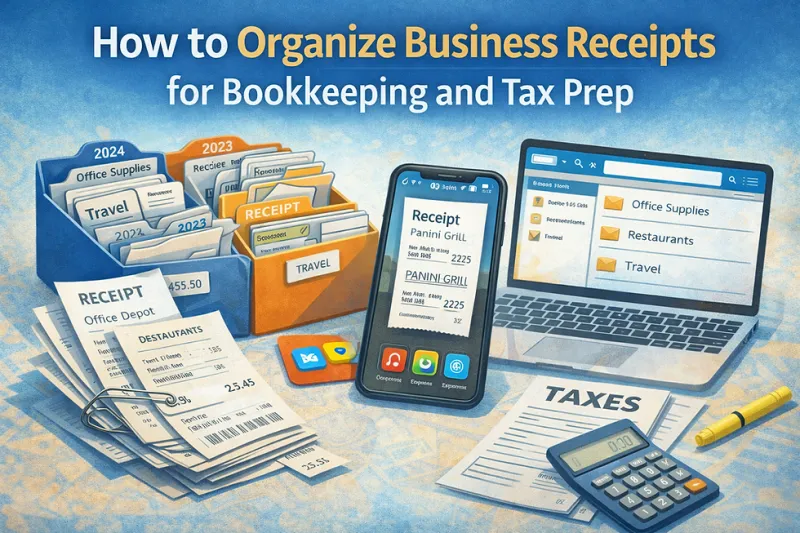
- Keep records for the required period — at least five years after the 31 January filing deadline for Self Assessment. Bank statements, invoices, receipts and mileage logs should be retrievable without an archaeological dig.
- Explain unusual figures on the return itself — the white space on a Self Assessment return is there to be used. A note explaining a one-off transaction can prevent an enquiry ever opening.
- File on time and reconcile — returns that tie to bank accounts and prior years attract less attention.
If a Letter Does Arrive
Do not ignore it, and do not attempt to handle a formal enquiry alone if it covers more than a trivial point. Contact your accountant immediately — deadlines run from the date of the letter, and early professional involvement often shortens the process considerably. Above all, stay calm: an enquiry is a request for information, not a verdict.
Most checks end with a polite closure notice and no change at all. With orderly records and prompt advice, the brown envelope becomes what it usually is — an administrative task, not a crisis.