Two Incomes, One Tax Return: Keeping the Books Straight When Your Side Hustle Sits Alongside the Day Job
Photo: Credit Line: AIP Emilio Segrè Visual Archives, Gift of Bill Woodward, USNS Kane Collection, CC0, via Wikimedia Commons
The calculator-and-laptop economy has quietly reshaped British working life. A marketing manager in Leeds designs wedding invitations on Sundays. A nurse in Cardiff sells hand-thrown ceramics on Etsy. A civil servant in Glasgow takes on freelance bookkeeping once the children are in bed. In each case, the PAYE salary arrives as normal — and alongside it, a second stream of income that HMRC will eventually want to hear about.
For most people, the tax position is less frightening than it first appears. The difficulty is rarely the tax itself; it is the record-keeping, which tends to be treated as an afterthought until January arrives.
When HMRC Needs to Know
The first question is whether your side activity counts as trading at all. Selling a few unwanted possessions from the loft — the bicycle gathering dust, the old records — does not make you a trader. Those items were personal chattels, and disposals of them are generally outside capital gains tax anyway.
Trading begins when you are regularly buying or making things with a view to selling them at a profit. A recurring Etsy stall, a stream of freelance invoices, a weekend market pitch: these are trades, whatever their size.
There is a helpful threshold. If your gross trading income — that is, turnover, before expenses — is £1,000 or less in a tax year, you can rely on the trading allowance and need not register or report it. Cross that line and the side business must be declared, typically through Self Assessment, either as a source of self-employment income or as miscellaneous income depending on its nature.
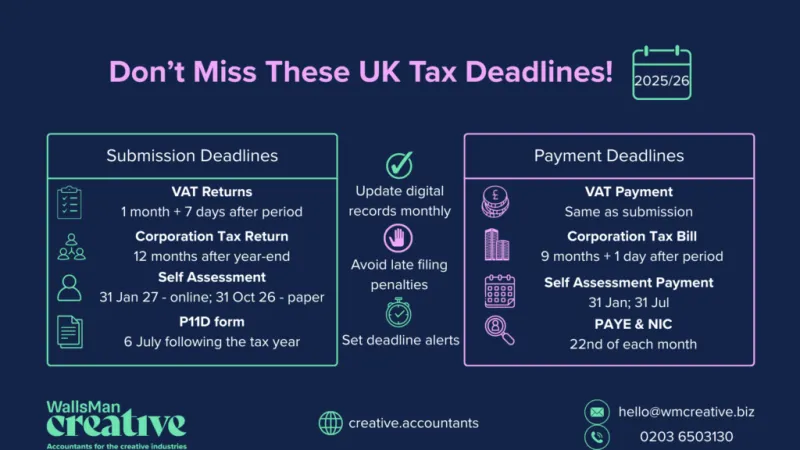
Registration as self-employed is required by 5 October following the end of the tax year in which you started trading. Miss it and penalties can follow, though HMRC is generally reasonable where the delay is honest and short.
Keeping the Two Streams Apart
The single most useful habit is separation. Your salary is taxed at source through PAYE; your side income is not. Mixing receipts in one account makes it far harder to identify what is trade income and what is not.
Open a dedicated bank account for the side business, even a basic one. Every sale lands there; every material purchase leaves from it. Come year-end, the ledger practically writes itself.
The same discipline applies to expenses. Only costs incurred wholly and exclusively for the trade can be deducted — fabric and thread for the dressmaker, software subscriptions for the freelancer, a proportion of home energy where a workspace is used. Your commute to the day job, your general broadband package used for personal browsing: these do not qualify.
The £1,000 Choice
Where turnover exceeds £1,000 but the trade is modest, you have a choice each year: deduct actual allowable expenses, or simply claim the £1,000 trading allowance in lieu of them. If expenses run below £1,000, the allowance is often the simpler route. If they exceed it, claim the real figures — but then your records must support them.
This is precisely why tidy books matter. The allowance forgives untidiness; actual expenses do not.
What Your Employer Might Notice
Side work does not usually trouble an employer, but it is worth checking your contract. Some restrict outside activity, particularly in the same field or where conflicts of interest might arise. Using employer equipment, software licences or working time for private gain is a separate hazard entirely — and one that HMRC treats as a benefit in kind in some circumstances.
National Insurance, Briefly
Employees earning above the primary threshold already build National Insurance credits through PAYE. Profits from a side trade below the small profits threshold for Class 2 — £6,845 for 2024/25 — will not create an additional liability, though voluntary Class 2 contributions remain an option for protecting state pension records.
A Small Routine That Prevents a Large Problem
Fifteen minutes on a Sunday evening — matching receipts to transactions, noting miles driven, filing invoices — converts a January scramble into a formality. For those juggling employment and enterprise, that routine is the difference between a Self Assessment return that takes an hour and one that takes a weekend.
If the side business is growing, or the boundary between personal and trade spending has blurred beyond easy repair, a short conversation with an accountant early in the year is invariably cheaper than unpicking it after the deadline.