A Year in Four Quarters: The Steady Rhythm of a Well-Run Small Business
Photo: Unknown authorUnknown author, Public domain, via Wikimedia Commons
Most small business owners do not struggle with accounting because the work is difficult. They struggle because the work is seasonal — and seasons have a habit of arriving early. A well-ordered financial year, however, follows a predictable rhythm. Handled quarter by quarter, the whole thing becomes manageable: a short list of sensible tasks rather than a January scramble.
What follows is the calendar we wish every client kept pinned above their desk. It is not exhaustive, and not every item will apply to every business, but it covers the dates and duties that most often cause trouble when they are left until the last moment.
January to March: Clearing the Decks
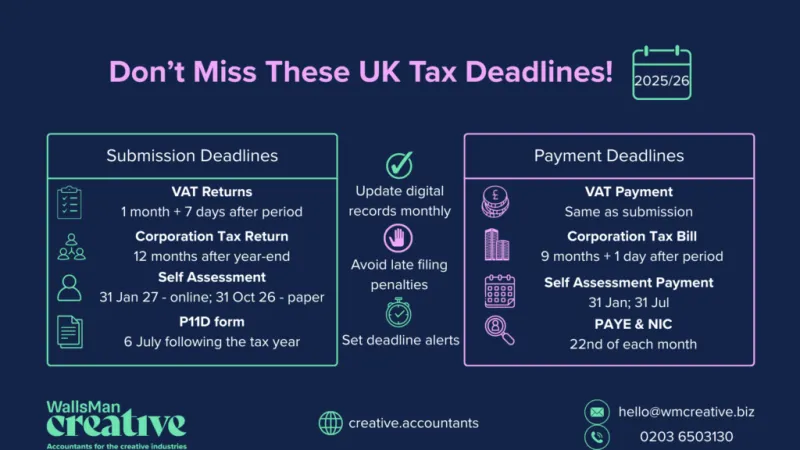
The UK financial year opens with its heaviest obligation already in view. The Self Assessment deadline of 31 January is fixed, and late filing brings an immediate £100 penalty, with further charges accruing the longer a return remains outstanding. If you have not yet filed, do so now — even if you cannot pay in full, filing on time and agreeing a payment plan with HMRC is far better than accumulating penalties.
Alongside the deadline itself, the first quarter is the natural moment for three jobs:
- Check your payment on account position. The second payment on account falls due by 31 July. Knowing the figure in February gives you five months to plan for it.
- Reconcile the previous tax year's books. Ensure every transaction to 5 April is recorded, receipts are filed, and any questions are resolved while they are still fresh.
- Review your tax position early. If turnover, profits, or dividends have moved significantly, a mid-year check now prevents surprises later.
April to June: The New Tax Year, Freshly Started
April brings new rates, new allowances, and — for many — the new tax year itself. It is the cleanest point in the calendar to make changes: adjusting salary and dividend strategy, updating payroll figures, and reviewing pension contributions before habits set in.
For employers, April is P60 season. Every employee must receive their P60 by 31 May, and the year-end payroll submissions must be finalised. If you run payroll, confirm these are done and filed rather than assuming they have been.
This quarter is also the right time to tidy your record-keeping while the year is still young. Under Making Tax Digital, more sole traders and landlords are moving to digital records; starting the new tax year with your software properly set up is considerably easier than retrofitting it in December.
July to September: The Quiet Quarter
By 31 July, the second payment on account must be paid. Once that is settled, the summer months are — deliberately — quieter, and that quiet is an opportunity rather than an invitation to look away.
Use this quarter for the planning work that never gets done under deadline pressure:
- Review profitability by product, service, or client. The mid-year mark is the natural point to ask what is actually earning its keep.
- Check your VAT position. If turnover is approaching the £90,000 registration threshold, monitor it monthly rather than discovering the obligation retrospectively.
- Consider pension and charitable contributions. These take time to arrange properly, and doing so before the autumn rush means the relief lands where you intend it.
October to December: Prepare, File, Close
Paper returns for Self Assessment must reach HMRC by 31 October; online returns have until 31 January, but we would counsel against treating that as the deadline. Filing in the autumn means you know your liability months in advance, can budget for the January payment without strain, and have time to correct any errors without pressure.
December, meanwhile, is payroll housekeeping month. Check employee details, confirm benefits and expenses records are complete, and ensure your payroll software and processes are ready for the new tax year in April. It is also a sensible moment to chase outstanding invoices before the festive lull — cash flow in January is largely determined by what you collect in December.
The Habit That Makes It Work
None of the above is complicated. What makes the difference is treating the calendar as a rhythm rather than a series of emergencies. Fifteen minutes at the start of each quarter — reviewing what is due, what has changed, and what can be planned — will do more for your financial peace of mind than any amount of January heroics.
If you would like help building that rhythm into your own year, we are always happy to talk it through. That is rather the point of having an accountant.